By Dr. Paul C. Hammond | Twin Cities Eye Consultants
Most people with glaucoma don’t know they have it. As an eye doctor, that’s the part that concerns me most. Glaucoma damages vision slowly and without pain, and by the time it causes noticeable symptoms, a good deal of vision may already be gone—and that vision doesn’t come back.
According to the American Academy of Ophthalmology, about 2.7 million Americans have glaucoma, and only half of them are aware of it. The early stages usually feel like nothing, which is the core challenge of the disease.
Why Early Glaucoma Often Has No Symptoms
Glaucoma is a group of eye conditions that damage the optic nerve, the biological cable that carries what your eye sees to your brain. The most common type, open-angle glaucoma, develops gradually. It doesn’t cause pain or redness, and your eyes look and feel completely normal.
What it takes first is your peripheral (side) vision. Your central vision—the part you use to read and recognize faces—usually stays sharp until the disease is well advanced. Furthermore, your brain is exceptionally good at filling in what your eyes miss, meaning a blank patch in your side vision can go unnoticed for years. Many people are surprised to learn this because their vision seems fine day-to-day.
Glaucoma Symptoms to Watch For
In the early and middle stages of open-angle glaucoma, there are typically no noticeable symptoms. As it advances, some people begin to experience:
- Blurry or missing patches in their peripheral vision
- Trouble noticing things off to the side, such as a car in the next lane or a step beside them
- Tunnel vision, a severe narrowing of the field of view, in late stages
If you notice any of these changes, don’t wait for your next routine eye exam. They often mean the disease has already progressed, and the sooner we see you, the more vision we can protect.
Sudden Symptoms Are an Emergency
A less common form, acute angle-closure glaucoma, can come on suddenly. Warning signs of an acute attack include:
- Severe eye pain and headache
- Nausea or vomiting accompanying the eye pain
- Blurred or hazy vision
- Rainbow-colored halos around lights
- A visibly red eye
If this happens, call our office or go to an emergency room right away. Waiting for acute symptoms to pass can result in permanent vision loss.
What About Eye Pressure?
Eye pressure gets a lot of attention, and it certainly matters, but it isn’t something you can feel. Normal eye pressure generally falls between 10 and 21 mmHg. While high eye pressure is one of the main risk factors for glaucoma, it doesn’t tell the whole story.
Some people have elevated eye pressure and never develop optic nerve damage—a condition known as ocular hypertension that we monitor closely. Conversely, others develop glaucoma even when their pressure reads completely normal (normal-tension glaucoma). That’s why I never rely on a pressure reading alone when diagnosing glaucoma.
Who Is at Higher Risk?
Anyone can develop glaucoma, but certain factors raise the odds:
- Age: Risk rises steadily as you get older.
- Family history: Having a parent or sibling with glaucoma raises your risk considerably.
- Ethnicity: People of African or Hispanic heritage are more likely to develop open-angle glaucoma, while people of Asian heritage are at higher risk for angle-closure glaucoma.
- Nearsightedness
- Diabetes: Especially long-standing cases.
- Cornea thickness: A thinner-than-average cornea.
- Medical history: Past eye injury or long-term steroid use.
Risk factors don’t guarantee you’ll get glaucoma, but they are a compelling reason to keep up with regular exams and ask your doctor about starting screenings earlier.
How We Catch Glaucoma Before You Notice It
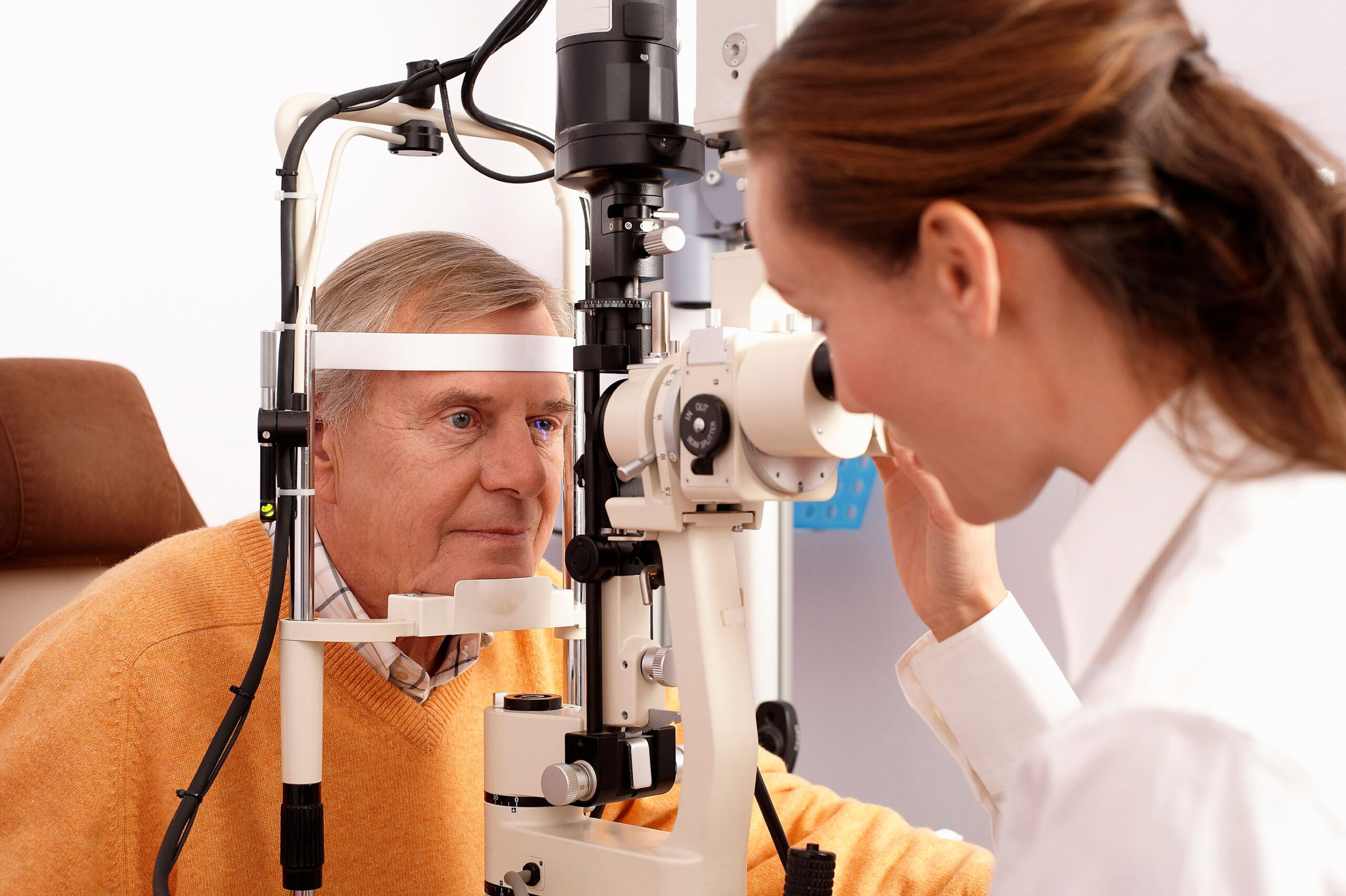
A quick vision check for glasses won’t catch glaucoma. A comprehensive eye exam looks at what a basic screening misses: a measurement of your eye pressure, a close examination of the optic nerve, advanced imaging of the nerve with OCT (optical coherence tomography), and visual field testing that maps your peripheral vision.
Comparing results across visits is how we distinguish real changes from normal variation. Advanced software that compares scans against reference data helps eye care teams spot changes sooner. While technology supports the exam, the critical decisions about what your results mean and what steps to take next always come directly from your doctor.
What Happens if We Find Glaucoma?
Vision lost to glaucoma can’t be restored, which is why early detection matters so much. The primary goal of treatment is to lower eye pressure and safeguard the vision you still have.
Treatment options may include prescription eye drops, laser treatment, and, in some cases, minimally invasive or traditional eye surgery. Your doctor will review the benefits and potential side effects of each option with you. Many people with glaucoma maintain good, functional vision for life when the condition is caught early and treated consistently.
When Should You Get Checked?
The American Academy of Ophthalmology recommends that adults begin regular comprehensive eye exams at age 40, since early signs of eye disease can appear even when your vision seems perfect. If you have any of the risk factors listed above, ask your eye doctor whether you should start screening earlier or visit more frequently.
Note: Macular degeneration is another condition that can develop quietly. Read our guide to macular degeneration to learn what to look for.
Frequently Asked Questions
Can you have glaucoma and not know it?
Yes. Open-angle glaucoma, the most common type, usually causes no pain and no noticeable vision changes in its early stages. Many people only discover they have it during a routine eye exam.
What are the first signs of glaucoma?
For most people, there are none initially. When symptoms do appear, the first change is usually in peripheral vision, such as blurry or missing patches at the edges of your field of view. A comprehensive exam can detect these changes long before you notice them yourself.
Does glaucoma always cause eye pain?
No. Open-angle glaucoma is typically painless. Severe eye pain, headache, nausea, and halos around lights are specific to an acute angle-closure attack, which requires emergency medical care.
Is high eye pressure the same as glaucoma?
No. High eye pressure raises your risk, but some people with high pressure never develop glaucoma, and others develop the disease with normal pressure. Diagnosing glaucoma requires a full, comprehensive exam—not just a pressure reading.
Can glaucoma be cured or reversed?
Not at this time. Damage to the optic nerve cannot be undone, but modern treatment can successfully slow or stop further vision loss, which is why early detection is so vital.
How often should I be checked for glaucoma?
The American Academy of Ophthalmology recommends regular comprehensive eye exams starting at age 40. If you have risk factors such as a family history, diabetes, or nearsightedness, your eye doctor may recommend starting screenings earlier or coming in more frequently.
Haven’t had a comprehensive eye exam in a while, or have a family history of glaucoma? Schedule an exam with me at our Coon Rapids location or with another member of the Twin Cities Eye Consultants team.